
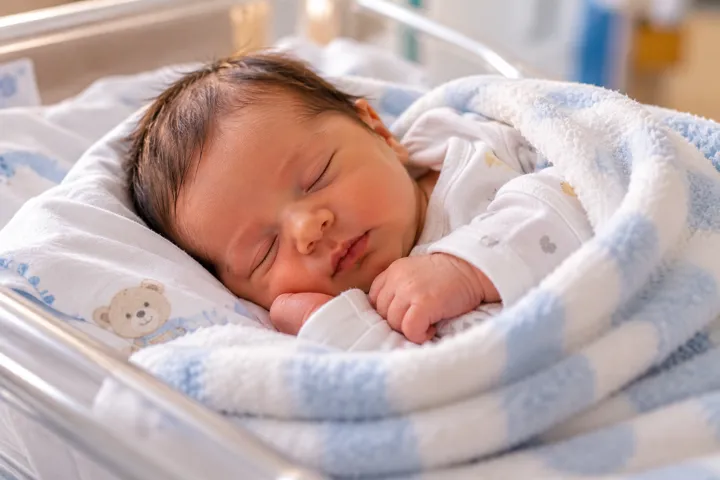
 Newborn
 2 to 3 minutes to observe the symptoms and the baby's overall condition
 5 steps
Occasional hiccups and sneezing are common in newborns and, when the baby is breathing well, feeding normally, and has their usual skin color and behavior, these signs generally do not indicate a problem on their own. Hiccups may occur around feeding times, while sneezing helps clear the nose. Watch for other symptoms. Difficulty breathing, changes in skin color, or difficulty feeding require medical evaluation.
Hiccups and sneezing are common in the first days
Hiccuping and sneezing from time to time can be part of normal newborn behavior. The nervous system, breathing, and feeding are still adjusting to life outside the womb, and the baby may make sounds and movements that seem unusual to someone caring for a newborn for the first time. If the baby has their usual skin color, breathes without effort, and feeds well, these isolated signs generally do not indicate an emergency.
Frequency alone cannot determine whether an illness is present. Instead of counting every sneeze or hiccup, look at the overall picture: how the baby is breathing, whether they can feed, whether they wake as usual, and whether there is fever, coughing, or a change in behavior. If you have concerns, especially during the first few months, talk to your pediatrician.
Why newborns may get hiccups
Hiccups are involuntary movements of the diaphragm, an important muscle involved in breathing. In babies, they may occur around feeding times. Swallowing air, feeding quickly, or becoming very agitated are situations that may coincide with an episode, but these factors alone cannot identify a specific cause.
If the baby does not seem uncomfortable, is breathing normally, and continues feeding, there is generally no need to do anything special. If hiccups occur during a feeding and seem to bother the baby, pause, carefully change their position, and try to help them burp. Do not force a feeding interruption if the baby is calm.
Why babies sneeze
Sneezing helps clear the nose. Secretions, dust, or other irritants may trigger sneezing, and an occasional episode without other symptoms does not necessarily mean the baby has a cold. It is also not possible to conclude that the baby has an allergy simply because they sneezed.
Sneezing accompanied by a runny nose, cough, fever, wheezing, or nasal congestion may occur with a respiratory infection, among other causes. The Brazilian Ministry of Health lists sneezing among the possible symptoms of bronchiolitis, along with other respiratory signs. For this reason, consider the overall picture and seek guidance if symptoms other than sneezing appear or worsen.
What to do during an episode
When the baby hiccups, first check whether they are comfortable. If they are feeding and seem uncomfortable, pause for a moment, support the head and neck properly, change their position, and try to help them burp without patting too hard. Then, if the baby is calm and wants to feed, resume feeding. If the hiccups continue but the baby remains well, simply observe rather than trying tricks to stop them.
Do not give water, tea, sugar, lemon, or medication to try to stop hiccups. Do not scare the baby, pinch their nose, or try to make them hold their breath. For sneezing, keep the environment free of smoke and avoid dust and strong perfumes. Do not insert cotton swabs into the nose or use decongestants on your own.
How to distinguish occasional sneezing from respiratory symptoms
An isolated sneeze without significant nasal discharge, coughing, or changes in breathing may simply be a nasal reaction. However, sneezing combined with a runny nose, cough, fever, wheezing, or difficulty feeding deserves more attention. This does not confirm bronchiolitis or a cold: only a healthcare professional can assess the cause and severity.
Watch whether the baby is breathing faster or with effort, whether the skin between the ribs pulls inward while breathing, whether the lips turn bluish, or whether the baby is very sleepy. Difficulty breathing, pauses in breathing, blue or purple discoloration, and difficulty feeding are signs that require immediate medical attention.
When to seek medical care
Seek medical care immediately if the newborn has difficulty breathing, turns bluish, has pauses in breathing, cannot feed, or is excessively sleepy and difficult to wake. Also seek help if symptoms worsen rapidly or if you notice that the baby is behaving differently than usual. Do not wait for hiccups or sneezing to stop when there are signs of breathing difficulty.
If the baby is up to 3 months old and has a temperature of 100.4°F (38°C) or higher, contact a healthcare professional immediately, even if the baby appears well. The American Academy of Pediatrics states that this situation requires evaluation in this age group. Do not give fever-reducing medication or any other medicine without guidance. When calling or arriving at the healthcare facility, provide the baby's age, the measured temperature, when the symptoms began, and how feeding has been going.
How to assess hiccups and sneezing
Start by observing the newborn's breathing, feeding, and behavior
-
1
Check the baby's overall condition
Check whether the baby has their usual skin color, is breathing without effort, and is responding as usual. Observe whether they can feed and whether hiccups or sneezing are the only signs. If there is difficulty breathing, bluish skin, extreme sleepiness, or difficulty feeding, skip home measures and seek medical care.
-
2
Pause if hiccups interfere with feeding
If hiccups occur during a feeding and the baby seems uncomfortable, pause the feeding. Carefully change their position while supporting the head and neck and try to help them burp gently. If the baby settles down, resume feeding. If they remain comfortable and feed well, there is no need to stop feeding just because they are hiccuping.
-
3
Reduce irritants in the environment
When sneezing is occasional and the baby is breathing and feeding without difficulty, simply observe. Keep the environment free of smoke and avoid dust and strong odors. Do not try to remove secretions with a cotton swab or use medications without your pediatrician's recommendation.
-
4
Check for other symptoms
Check whether the sneezing is accompanied by a runny nose, cough, fever, wheezing, a very stuffy nose, or changes in feeding. An isolated sneeze is not enough to conclude that the baby has a cold. If symptoms accumulate or worsen, contact the pediatrician for guidance appropriate to the baby's age.
-
5
Seek help if warning signs appear
Seek medical care immediately if the baby is breathing with effort or very rapidly, has pauses in breathing, turns bluish, cannot feed, or is difficult to wake. If the baby is up to 3 months old and has a temperature of 100.4°F (38°C) or higher, contact a healthcare professional immediately. Do not wait to see whether the hiccups stop.
Hiccups or sneezing: what to watch for
Important Tips

Write down when the hiccups occur, such as during or after feedings, so you can share the pattern with the pediatrician if necessary.
Avoid cigarette smoke, strong perfumes, and dust around the baby, as irritants can bother the airways.
Wash your hands before holding the baby and ask visitors with respiratory symptoms to postpone close contact.
Do not use cotton swabs, decongestants, or medications in a newborn's nose without professional guidance.
If the baby seems well during an episode, stay calm and observe their breathing, skin color, and willingness to feed.
Frequently asked questions
Quick answers to common questions.
Is it normal for a newborn to hiccup several times?
In general, occasional hiccups are common in babies and do not necessarily mean there is a problem. Check whether the newborn continues to breathe well, feed normally, and behave as usual. If the episodes occur along with difficulty breathing, changes in skin color, refusal to feed, or another concerning sign, seek medical guidance.
What should I do when my baby hiccups while feeding?
If the baby seems uncomfortable during a feeding, pause, carefully change their position, and try to help them burp. Once they are comfortable, you can resume feeding. If the hiccups do not bother the baby and they are otherwise well, there is usually no need to interrupt the feeding.
Can I give my newborn water or tea to stop hiccups?
Hiccups alone are not a reason to give a newborn water, sugar, tea, or any other liquid. Continue offering only the feeding recommended for the baby's age and follow your pediatrician's guidance. Do not try to scare the baby or pinch their nose.
Why does a newborn sneeze if they do not have a cold?
Occasional sneezing can be a way for the baby to clear small particles and secretions from the nose. An isolated sneeze, without other symptoms and with normal breathing and feeding, does not mean the baby necessarily has a cold.
How can I tell if my baby's sneezing is a sign of a cold?
Sneezing accompanied by a runny nose, cough, fever, wheezing, or a very stuffy nose may occur with a respiratory infection, among other conditions. Because newborns are very young, talk to your pediatrician if other symptoms appear rather than trying to diagnose the problem based on the number of sneezes.
When do hiccups or sneezing in a newborn require medical attention?
Seek medical care immediately if the baby has difficulty breathing, is breathing very rapidly or has pauses in breathing, has bluish lips or skin, has difficulty feeding, or is excessively sleepy. In babies up to 3 months old, a temperature of 100.4°F (38°C) or higher requires immediate contact with a healthcare professional.
Related content
More practical solutions in Newborn.