
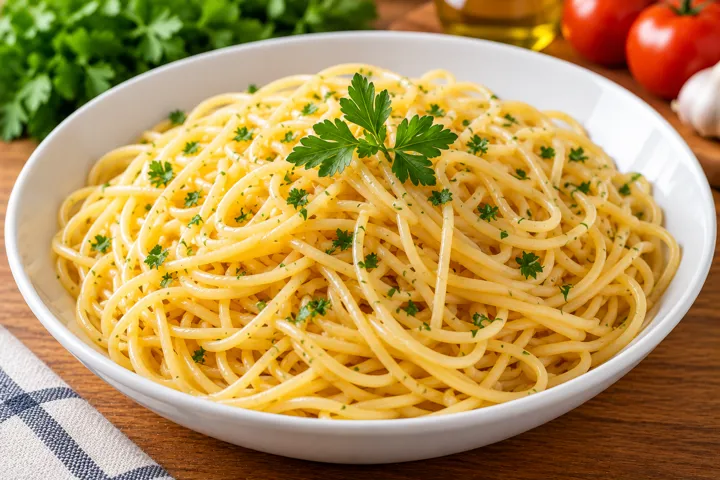
 Cooking tips
 6 steps
Cooking pasta without it sticking together is a common challenge, but with the right techniques it is possible to avoid this problem. The key is controlling the cooking time, amount of water, movement of the pasta and its interaction with the sauce. This article explains the causes of sticking, how to solve it and practical tips for ensuring loose, tasty pasta.
Why pasta sticks together
Pasta sticks due to a natural process: during cooking, the pasta releases starch, which dissolves in the water and forms a sticky film. This starch is essential for helping the sauce adhere to the pasta, but in excess or under unsuitable conditions, it can cause sticking.
How to cook pasta so it stays separated
Following simple techniques can transform the experience of cooking pasta. Below is a practical step-by-step guide to prevent sticking.
Common mistakes and how to avoid them
The table below summarizes the most common mistakes and how to avoid them to ensure loose, separated pasta.
How to cook pasta so it stays separated
Practical steps to prevent sticking and ensure pasta that mixes perfectly with the sauce.
-
1
1. Use a suitable pot
Use a suitable pot with enough capacity to hold the pasta without compressing it.
-
2
2. Wait for the water to boil
Wait for the water to boil before adding salt and pasta. Add salt after boiling to enhance the flavor.
-
3
3. Stir mainly at the beginning
Stir gently with a fork or spoon during the first 2-3 minutes to separate strands or pieces that are touching.
-
4
4. Check the doneness
Check the doneness 2 minutes before the indicated time. The ideal point is al dente.
-
5
5. Reserve some cooking water
Reserve 200-300ml of cooking water to mix with the sauce, helping balance the consistency.
-
6
6. Drain and mix immediately
Drain and immediately mix with the hot sauce, using the reserved water to help the sauce adhere.
Common mistakes and how to avoid them
| Mistake | Consequence | How to avoid |
|---|---|---|
| Too little water | Starch does not dilute, causing sticking | Use 1 liter of water for every 100g of pasta |
| Not stirring | Strands stick together | Stir gently during the first 2-3 minutes |
| Overcooking | Sticky texture | Taste the pasta 2 minutes before the indicated time |
| Rinsing after cooking | Removes the starch needed for the sauce to adhere | Avoid rinsing unless it is for salads |
| Oil in the water | Prevents the sauce from adhering | Do not use oil during cooking |
Important Tips

Use fresh pasta to avoid excess starch.
Avoid wide pasta shapes that require more stirring during cooking.
Reserve the cooking water to adjust the sauce texture.
Do not overcook: al dente is ideal.
Store the pasta carefully, avoiding leaving it sitting for too long.
Frequently asked questions
Quick answers to common questions.
Why does pasta stick together?
Pasta sticks because starch is released during cooking. Factors such as too little water, not stirring, overcooking and improper rinsing can make this problem worse.
How do I cook pasta so it stays separated?
Use enough water, stir at the beginning of cooking, avoid overcooking and reserve some of the cooking water to mix with the sauce.
How can I save pasta that has stuck together?
Mix it with sauce and hot cooking water. For cold pasta, heat it with sauce and liquid, avoiding pulling the strands apart.
Related content
More practical solutions in Cooking tips.
Clumpy / sticky rice
How to prevent clumpy rice, make fluffy rice, and save sticky or mushy rice.
 15 minutes
How to freeze cooked beans without losing flavor
Learn how to freeze cooked beans with or without broth, divide them into portions, thaw them safely, and maintain good texture.
15 minutes