
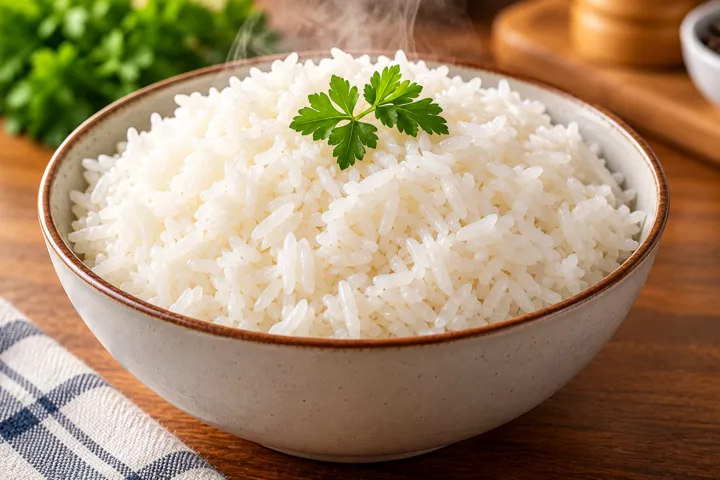
 Cooking tips
 8 steps
Clumpy or sticky rice is a common kitchen problem, but it can be avoided with simple techniques and attention during preparation. This type of mistake occurs when the grains absorb too much water, release too much starch, or are handled improperly while cooking. By understanding the causes and using the right practices, you can prepare fluffy, flavorful rice.
Why rice becomes sticky or mushy
Rice becomes sticky or mushy due to factors such as too much water, excess starch, prolonged cooking, stirring during cooking, and improper heat. These mistakes affect the texture, flavor, and presentation of the dish.
How to prevent sticky rice
Use the correct amount of water, wash the rice carefully, sauté the grains, control the heat, and let the rice rest after cooking. Avoid excessive stirring and adjust the techniques according to the type of rice.
How to save rice that is already sticky
If the rice is still wet, leave the pot uncovered to release steam. If it is very mushy, spread it on a serving dish to lose moisture. Discard it if there is an unusual smell or signs of fermentation.
Step-by-step guide to fluffy rice
Check the water ratio on the package, wash the rice (optional), sauté the grains, add the water, reduce the heat, and cover. Let it rest for 5 to 10 minutes and fluff the grains with a fork.
Step-by-step guide to fluffy rice
Essential techniques to prevent sticky rice
-
1
1. Check the water ratio
Use the package instructions as a starting point and adjust according to the type of rice and the pot.
-
2
2. Wash the rice (optional)
Drain the grains thoroughly after washing to avoid excess moisture.
-
3
3. Sauté the rice
Heat a little oil and sauté the grains with garlic, onion, or other seasonings.
-
4
4. Add the water
Cover the grains with the indicated amount of water and wait for it to come to a boil.
-
5
5. Reduce the heat and cover
Reduce the heat to medium-low and avoid stirring during cooking.
-
6
6. Check the bottom
When the water is almost gone, make a small hole with a fork to check the bottom.
-
7
7. Let it rest
Turn off the heat and leave the pot covered for 5 to 10 minutes.
-
8
8. Fluff the grains
Use a fork to separate the grains. If it is still mushy, spread it on a serving dish to release steam.
Steps to prepare fluffy rice
| Step | Description | Tip |
|---|---|---|
| 1. Water ratio | Use 1 cup of rice to 2 cups of water | Adjust according to the type of rice |
| 2. Washing | Wash the grains until the water runs clear | Avoid removing all the starch |
| 3. Sautéing | Sauté in oil with seasonings | Creates a protective layer |
| 4. Cooking | Reduce the heat and cover | Avoid stirring during cooking |
| 5. Resting | Leave the pot covered for 5–10 minutes | Allows even absorption |
Important Tips

Avoid using a fixed water ratio for every type of rice.
Do not rinse rice after it is cooked, as this can remove flavor and leave the grains wet.
Brown rice usually requires more time and water. Follow the package instructions and test the method before preparing a large amount.
If the rice has an unusual smell, signs of fermentation, or has been left unrefrigerated for too long, discard it.
Frequently asked questions
Quick answers to common questions.
Why does rice become mushy?
Too much water, keeping the pot too tightly covered, stirring during cooking, and cooking longer than necessary can leave the grains wet and sticky. The amount of water varies depending on the type of rice.
Do I need to wash rice before cooking?
It depends on the type of rice and personal preference. Washing can remove some of the surface starch, but it does not replace using the correct amount of water or following the cooking time indicated on the package.
How can I save mushy or sticky rice?
Turn off the heat, leave the pot uncovered for a few minutes, and fluff the grains with a fork. If it is still very wet, spread the rice on a serving dish to release steam before reusing it.
What is the right amount of water for fluffy rice?
There is no single ratio for every type. Use the package instructions as a starting point and adjust according to the pot, cooking method, and whether the rice is white, brown, or parboiled.
Related content
More practical solutions in Cooking tips.
Pasta sticking together: how to cook loose, separated pasta
Learn how to make loose, separated pasta, prevent it from sticking and recover pasta that stuck together after cooking.
How to freeze cooked beans without losing flavor
Learn how to freeze cooked beans with or without broth, divide them into portions, thaw them safely, and maintain good texture.
 15 minutes