
 Electrical
 3 steps
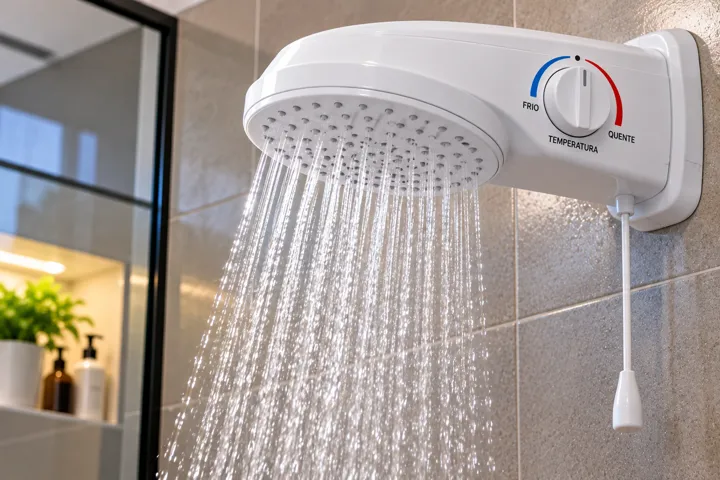
When the shower stays cold, the cause may be a combination of electrical, hydraulic, and installation factors. Before calling an electrician, it is essential to perform basic checks and understand the possible problems. This article explains the most common causes, how to solve the problem, and the precautions needed to avoid risks.
Check the water, selector, and circuit
Lack of heating may be related to water pressure. The ideal pressure for shower operation ranges from 15 to 40 mca (meters of water column). If the flow drops suddenly, it may indicate an obstruction in the showerhead, pipes, or valves.
Heating element and electrical installation
The heating element is the main heating component. If it is burned out, the shower will not heat. Check the shower's brand, model, power rating, and voltage in the manual or on the appliance itself.
Step-by-step guide to checking the shower
1. Check the water flow: Confirm that the valve is open and the pressure is adequate. 2. Adjust the temperature selector: Make sure the selector is in the correct position (winter/hot).
Steps to check the shower
Essential procedures to identify and solve the problem
-
1
Check the water flow
Confirm that the valve is open and the pressure is adequate. If the pressure is inadequate, it may be necessary to install a pressure regulator or adjust the plumbing installation.
-
2
Adjust the temperature selector
Check that the selector is in the correct position and that the water temperature is not too low. If heating is intermittent, there may be faults in the heating element or electrical connection.
-
3
Switch off the electrical circuit
Before any intervention, switch off the shower circuit breaker and wait for the appliance to cool. Confirm the absence of voltage with a multimeter.
Common causes of a shower not heating
| Cause | Check | Solution |
|---|---|---|
| Burned-out heating element | Check for signs of burning | Replace with a compatible heating element |
| Tripped circuit breaker | Confirm voltage | Check wiring and power rating |
| Insufficient water flow | Test pressure | Install a pressure regulator |
Important Tips

Never work with the circuit energized.
Use heating elements compatible with the shower's brand, model, and voltage.
Avoid improvised adjustments and seek a professional if you have questions.
Frequently asked questions
Quick answers to common questions.
Why does the shower run cold even when it is on?
The cause may be a burned-out heating element, incorrect selector setting, low water flow, a tripped circuit breaker, incompatible voltage, or an electrical installation fault.
Can I replace the shower heating element myself?
Only a qualified person with the correct model and equipment to confirm the absence of voltage should replace it. If there is overheating or damaged wiring, contact an electrician.
Can low water flow prevent the shower from heating?
Yes. Water flow affects operation and temperature, but a sudden drop may also indicate a problem with the valve, showerhead, or installation.
What should I do when the shower circuit breaker trips?
Leave the circuit switched off and do not repeatedly try to turn it back on. Tripping may indicate an overload, short circuit, incorrect heating element, or installation fault.
How do I know which heating element to buy?
Check the brand, model, power rating, and voltage in the manual or on the appliance itself. Do not use a heating element just because it physically fits.
Related content
More practical solutions in Electrical.
Light switch not working
Switch of luz not works: faça verificações seguras and saiba when chamar a electrician.
Power outlet not working: common causes and safe checks
Find out why an outlet may not work, which checks can be performed safely, and when it is time to seek professional help.
 10 to 20 minutes for the initial checks