
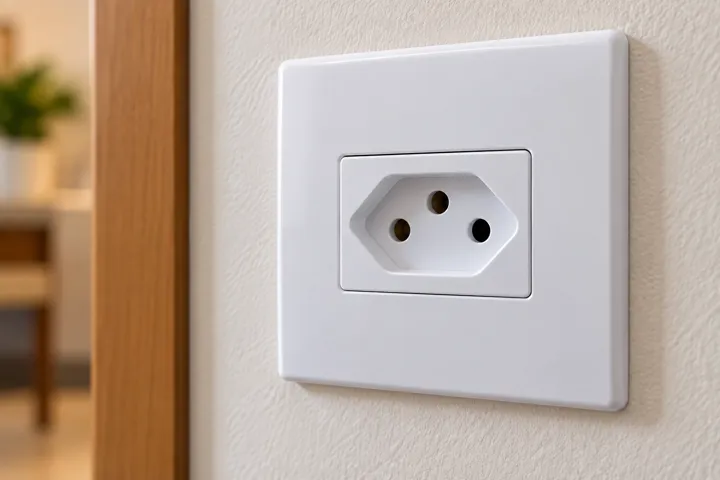
 Electrical
 6 steps
When an outlet does not work, the cause can range from a simple problem with a connected appliance to faults in the home's electrical circuit. Before assuming a complex defect, it is worth performing a few safe checks that can help identify the source without dismantling electrical components. Checking whether other outlets work, inspecting the circuit breaker, and testing different devices are some of the initial steps that can provide important clues.
Why an outlet may stop working
An outlet may stop supplying power for different reasons. In some cases, the cause is related to the home's electrical circuit itself. In others, the problem may involve component wear, compromised connections, or even defects in accessories used between the outlet and the appliance.
The fault is not always visible. Therefore, the analysis should begin with the simplest and safest possibilities before considering more complex interventions or unnecessary replacements.
How to distinguish an outlet problem from an appliance fault
One of the first steps is to determine whether the fault is really in the outlet. Often, a defective appliance leads the user to believe that there is no power at the electrical point.
Cross-testing with another working appliance and other available outlets helps eliminate uncertainty and guide the diagnosis more efficiently.
The importance of the circuit-breaker panel
Circuit breakers protect electrical circuits against overloads and faults. When one trips, part of the installation may lose power.
Depending on the property's configuration, only certain rooms or groups of outlets will be affected. Therefore, a visual inspection of the panel can provide important information about the source of the problem.
Signs that require greater attention
Some symptoms require extra caution. A burning smell, excessive heating, sparks, or darkening of the outlet may indicate problems that go beyond a simple power interruption.
In these situations, the safest approach is to avoid using the electrical point until a proper assessment is performed. Continuing to use the outlet may increase the risk of damage to the installation or connected equipment.
Common mistakes when trying to solve the problem
A common mistake is to immediately assume that the outlet is defective without testing other appliances or power points. This can lead to unnecessary replacement of components.
Another mistake is dismantling outlets without technical knowledge. In addition to the risk of electric shock, improper interventions can create new problems or worsen existing faults.
When professional help is the best option
Some situations require measuring instruments and technical knowledge to be assessed correctly. These include intermittent faults, recurring circuit-breaker trips, and signs of abnormal heating.
A qualified electrician can identify the source of the problem more accurately and perform the necessary repairs according to appropriate safety criteria.
How to reduce the chance of new faults
Avoiding overloads, using compatible equipment, and watching for early signs of wear help preserve the electrical installation. Small problems detected early are usually easier to correct.
It is also advisable to carry out periodic inspections in older properties, especially when there is a history of outlet overheating, improvised modifications, or expansions of the electrical system over the years.
Step-by-step guide to identifying the cause
Safe initial checks before considering electrical repairs
-
1
Test another appliance in the same outlet
Connect a device that you know works properly. If it also does not turn on, this suggests that the problem is related to the outlet or electrical circuit. If it works normally, the fault may be in the original appliance.
-
2
Check other nearby outlets
Test power points in the same room. If several outlets are not working, the situation may be related to a specific circuit in the electrical installation rather than to a single isolated outlet.
-
3
Check the circuit-breaker panel
Check whether any circuit breaker has tripped. If you find one switched off, follow the recommended safe procedures for the electrical panel. If it trips again immediately, stop trying and seek professional help.
-
4
Test without extension cords or adapters
Connect the appliance directly to the outlet. Faulty extension cords, multi-plug adapters, and power strips can make it seem that the outlet is not working when the problem is in an intermediate accessory.
-
5
Look for visible signs of damage
Without touching internal parts, look for darkening, deformation, a burning smell, or signs of overheating. These signs justify stopping use of the outlet until it can be properly assessed.
-
6
Consider professional assistance
If the basic checks do not identify the cause or there is any sign of a more serious electrical problem, a qualified electrician can safely perform appropriate measurements and inspections.
Quick outlet diagnosis
| Symptom | Possible cause | What to do |
|---|---|---|
| Only one outlet does not work | Localized problem with the outlet | Test other appliances and look for visible signs |
| Several outlets in the room have no power | Interrupted circuit | Check the circuit-breaker panel |
| Outlet has a burning smell | Overheating or poor contact | Stop using it immediately |
| Appliance does not turn on only at this connection | Possible outlet failure | Compare with other nearby outlets |
| Circuit breaker trips repeatedly | Possible overload or electrical fault | Request a professional assessment |
Important Tips

Avoid connecting high-power appliances to low-quality adapters.
Check whether plugs feel loose when connected.
Do not use outlets that show excessive heating.
Keep the electrical panel labeled to make future diagnosis easier.
Replace damaged extension cords and power strips.
Perform periodic inspections of the electrical installation in older properties.
Frequently asked questions
Quick answers to common questions.
How can I tell whether the problem is with the outlet or the appliance?
The simplest way is to test another appliance that you know works properly in the same outlet. If it also does not turn on, there is a strong chance that the problem is with the outlet or the electrical circuit.
Can a single outlet stop working while the others continue to work normally?
Yes. Localized problems such as poor contact, wear of internal components, or loose connections can affect only one outlet without affecting the others in the property.
Does a tripped circuit breaker always shut off every outlet in the house?
No. Many properties have separate circuits. Depending on the installation, only some outlets or rooms may be affected when a specific circuit breaker trips.
Is it safe to open the outlet to check the wires?
It is not recommended for people without electrical knowledge. Even after turning off the power, there are risks of incorrectly identifying circuits and damaging the installation.
Is a burning smell near the outlet dangerous?
Yes. A burning smell, darkening of the outlet, or signs of excessive heating indicate that use should be stopped immediately and a professional assessment should be sought.
Can a power strip or extension cord make it seem like the outlet is not working?
Yes. In some cases, the fault is in the power strip, adapter, or extension cord being used rather than in the wall outlet.
When should I call an electrician?
Whenever there are signs of heating, sparks, a burning smell, frequent circuit-breaker trips, or when simple checks do not identify the cause of the problem.
Related content
More practical solutions in Electrical.
Shower not heating: causes and what to check
Shower not heating: safely check water flow, selector, circuit breaker, and heating element before calling an electrician.
 15 minutes
Light switch not working
Switch of luz not works: faça verificações seguras and saiba when chamar a electrician.