
 Household bills and expenses
 5 steps
Organizing household bills helps maintain financial control and avoid late fees, interest, and interruptions to essential services. A bill calendar provides a clear view of due dates, expected amounts, and payment status.
Why Create a Financial Calendar
A bill calendar helps you see upcoming obligations, reduce missed payments, and avoid unnecessary late fees and interest.
Tools for Organizing Due Dates
You can use digital or physical tools. The best format is the one you can update consistently and check regularly.
Which Bills Should Have Priority
Bills do not all have the same consequences when late. Prioritizing essential expenses helps reduce more serious financial and service-related problems.
How to Stay Organized Throughout the Year
The calendar must be reviewed and updated regularly as amounts, due dates, and household expenses change.
Step-by-Step Guide to Creating a Bill Calendar
Follow these steps to keep the calendar useful and up to date.
-
1
List all bills
Include fixed expenses such as rent, electricity, and internet as well as variable expenses such as shopping and leisure.
-
2
Record dates and amounts
Record the due date and average or expected amount for each bill.
-
3
Set reminders
Set automatic notifications a few days before each due date.
-
4
Prioritize critical bills
Highlight essential expenses and bills that may generate significant penalties or service interruption if unpaid.
-
5
Use automatic payments
For predictable bills and when sufficient funds are available, consider automatic payments.
Example of Bill Calendar Organization
| Bill | Due Date | Amount | Status |
|---|---|---|---|
| Rent | 2026-10-05 | R$ 1,200.00 | Paid |
| Electricity | 2026-10-10 | R$ 300.00 | Pending |
Important Tips

Keep all bill information in one place.
Use colors or categories to distinguish fixed and variable expenses.
Review the calendar weekly to check upcoming due dates and update the plan.
Frequently asked questions
Quick answers to common questions.
How should I choose a tool for organizing bills?
Choose a calendar app, spreadsheet, physical planner, or financial-management app according to your habits and needs.
How can I avoid paying bills late?
Prioritize payments, set reminders, and reserve money for essential bills as soon as income is received.
Related content
More practical solutions in Household bills and expenses.
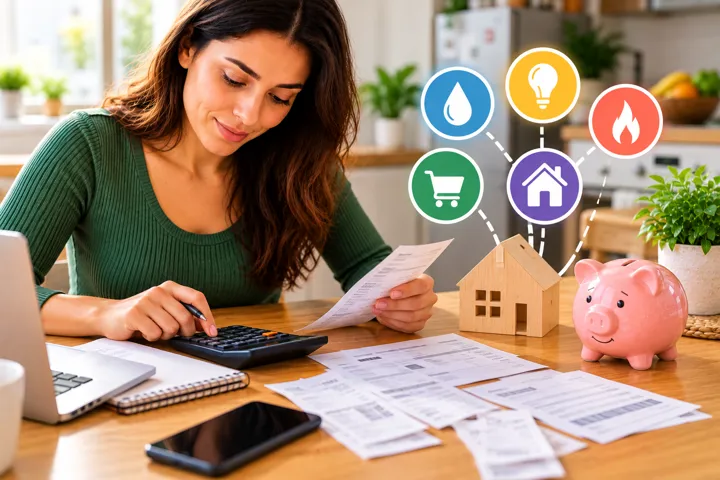
How to Organize Household Bills and Avoid Late Payments
Learn how to organize household bills, track due dates, divide responsibilities, and keep your household budget under control.
 15 minutes
Rent adjustment: how to plan and avoid budget surprises
Understand how works the adjustment of rent, confira the contract, simule novos amounts and organize seu budget for absorver increases without comprometer outras expenses essential.
15 minutes
Automatic debit: benefits, precautions and how to use it safely
Understand how works the débito automático, quais são suas benefits, the risks more common and as utilizá-lo for avoid atrasos without perder the controle of the finanças.
10 minutes