
 Debt
Debt
 3 steps
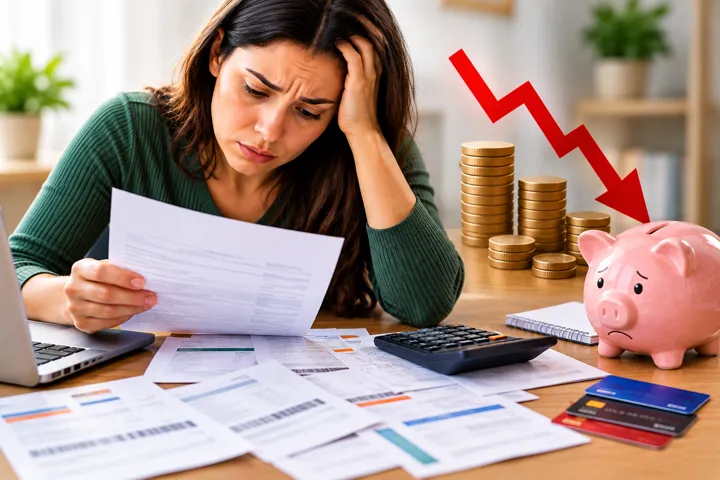
Over-indebtedness is a serious financial situation in which consumer debts can no longer be paid without compromising essential living expenses. In Brazil, consumer protection rules provide mechanisms intended to help eligible consumers address this situation. This article explains how to identify over-indebtedness, organize your finances, negotiate debts more safely, and seek appropriate support.
What characterizes over-indebtedness
Over-indebtedness occurs when a consumer cannot pay all consumer debts without compromising the minimum resources needed for essential living expenses. It can create a difficult cycle in which new credit is used to cover older obligations, increasing the overall financial burden.
How to organize your debts before negotiating
Start by mapping all debts, including balances, interest rates, due dates, creditors, and payment status. This makes it easier to understand the full situation and identify which obligations require the most urgent attention.
How to negotiate more safely
Use official creditor and consumer-protection channels, request written renegotiation proposals, compare payment terms, and avoid offers that cannot be verified. Keep copies of agreements and proof of payment.
How to avoid becoming over-indebted again
Financial recovery requires ongoing planning. Maintain a sustainable monthly budget, gradually build an emergency reserve when possible, avoid taking on unaffordable new debt, and seek specialized guidance when necessary.
Steps for Dealing With Over-Indebtedness
Practical actions to reorganize your finances
-
1
Identify the problem
List all debts, income, and essential expenses to determine whether your available income is sufficient to meet your obligations without compromising basic needs.
-
2
Negotiate with creditors
Contact creditors through official channels, request renegotiation proposals, compare the terms carefully, and document all conditions.
-
3
Create a sustainable budget
Map income and expenses, set realistic category limits, and prioritize housing, food, utilities, healthcare, and other essential costs.
Steps to Reorganize Your Finances
| Step | Action | Benefit |
|---|---|---|
| 1 | Make a complete debt inventory | Identify all debts and prioritize the most critical obligations |
| 2 | Assess your payment capacity | Make sure proposed payments are sustainable |
| 3 | Negotiate with creditors | Seek more manageable terms where available |
| 4 | Create a monthly budget | Reduce the risk of entering another debt cycle |
Important Tips

Recognize the problem early before the financial situation becomes more difficult to manage.
Keep records of contracts, balances, negotiations, and payments.
Avoid taking on new loans without first evaluating their impact on your essential expenses and overall budget.
Frequently asked questions
Quick answers to common questions.
What is over-indebtedness?
Over-indebtedness occurs when a consumer cannot pay all consumer debts without compromising the minimum resources needed for essential living expenses, under the protections and definitions established by Brazilian law.
How can I negotiate debts safely?
Use official creditor or consumer-protection channels, compare settlement proposals, and keep written records of all terms. Depending on your situation, consumer-protection agencies or legal channels may also provide assistance.
What are the consequences of over-indebtedness?
Over-indebtedness can compromise essential expenses, increase the cost of debt through interest and fees, and make it harder to regain financial stability.
Related content
More practical solutions in Debt.
Refinancing debt: when it makes sense
Understand when refinancing a debt can help reorganize finances, which costs should be compared, and how to avoid exchanging one debt for an even more expensive one.
How to negotiate debt with a bank
Learn how to negotiate debt with a bank safely, compare offers, reduce interest, and organize installments without compromising your budget.
 15 minutes
Pay Debt in Full or in Installments? How to Choose the Best Option
Learn when vale more the pena quitar a debt in full or pay in installments the payment, analisando descontos, interest, orçamento and reserva financial.
10 minutes